Swiss Half Fare Card vs Saver Day Pass: The SBB Booking Window Fiduciary Math
Compare the CHF 120 Swiss Half Fare Card against SBB Saver Day Passes (starting at CHF 29). Master 60-day advance booking windows and fare arbitrage.
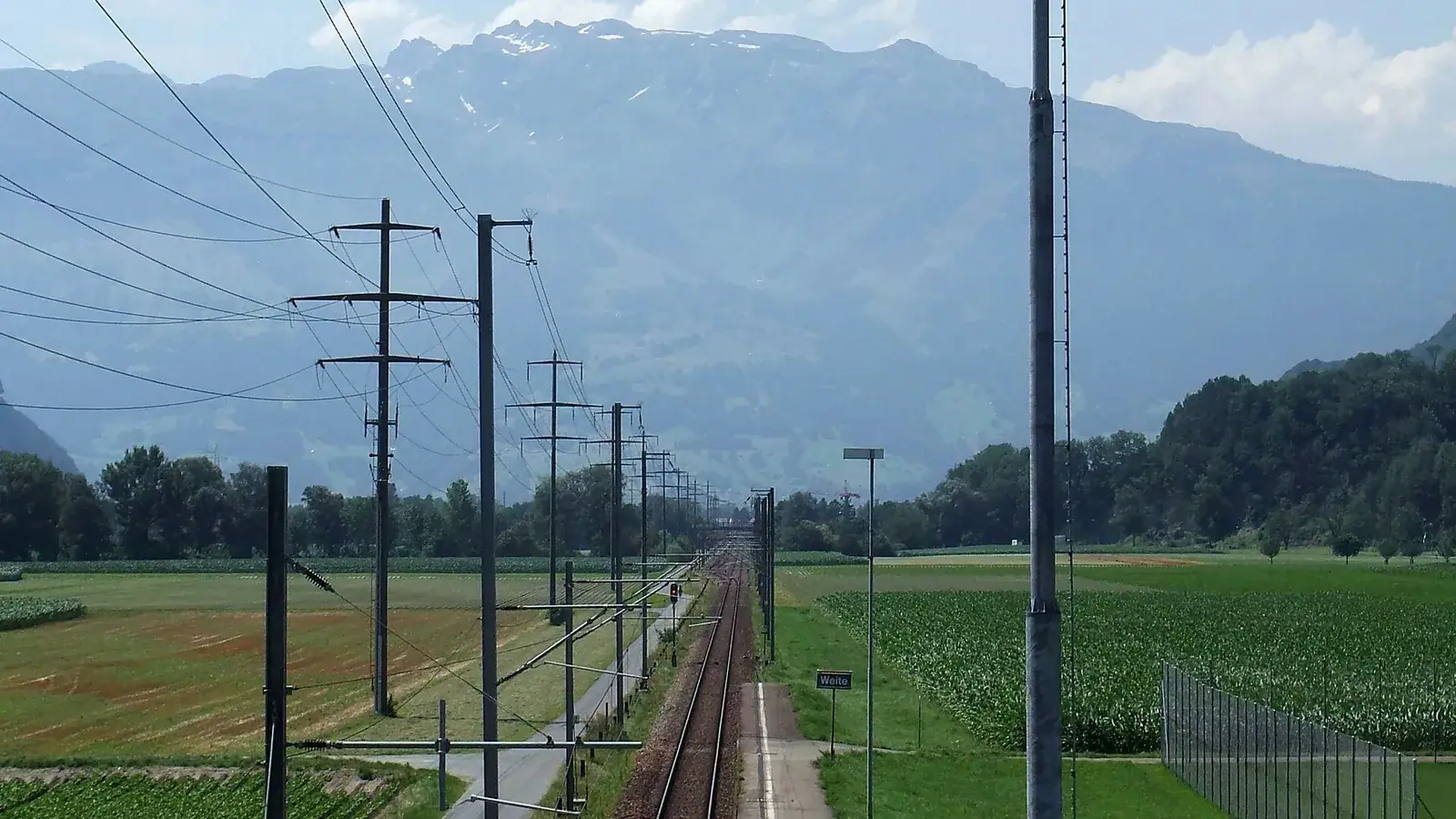
Route At-a-Glance
Target Audience: Independent travelers spending 1 to 10 days in Switzerland | Pass 1: Swiss Half Fare Card (CHF 120 for 1 month, gives 50% off all transit) | Pass 2: SBB Saver Day Pass (Spar-Tageskarte, dynamic pricing from CHF 29 with Half Fare or CHF 52 full fare) | Booking Horizon: Opens exactly 60 days in advance at 00:01 CET.
Ground-Truth Reality Checks
Combining a Swiss Half Fare Card with a 60-day advance SBB Saver Day Pass allows you to travel anywhere on Switzerland's national rail, boat, and PostBus network for just CHF 29 per day.
Saver Day Passes are completely non-refundable and non-exchangeable; if your travel date changes, the entire ticket purchase price is forfeited.
Chronological Segment Breakdown & Pacing
Fiduciary Rule 1: The CHF 120 Break-Even Threshold. If your total planned full-fare journeys exceed CHF 240, buying the Swiss Half Fare Card produces immediate net savings.
Fiduciary Rule 2: Long-Distance Cross-Country Trips. A single one-way full-fare ticket from Geneva to St. Moritz costs CHF 138; a Saver Day Pass booked 60 days ahead costs CHF 52 (saving CHF 86 on day one).
Fiduciary Rule 3: Mountain Railway Exclusions. Saver Day Passes do NOT cover mountain peaks like Jungfraujoch, Gornergrat, or Titlis (though the Half Fare Card gives 50% off).
Where to Anchor (Vetted Base Stays)
Transit-Friendly: Ruby Mimi Hotel Zurich (5-minute walk from Zurich HB, automated 24/7 check-in, soundproofed rooms).
Scenic/Boutique: Romantik Hotel Europe Lucerne (5-minute walk from Lake Lucerne piers, neoclassical elegance, lakefront dining).
The Booking Masterclass & Pass Math
For an 8-day itinerary with 4 intercity train legs and 2 mountain peaks: Swiss Travel Pass costs CHF 419 + CHF 240 summit fees = CHF 659. Half Fare Card (CHF 120) + 4 half-price trains (CHF 110) + half-price peaks (CHF 160) = CHF 390. Net savings: CHF 269.
Crucial Route Pitfalls (What NOT to Do)
Never wait until the week of travel to buy a Saver Day Pass; prices dynamically scale up to CHF 119 for 2nd class as quota tiers sell out, eliminating all cost savings.
SuperSaver tickets ('Sparbillette') are tied to a specific train time and departure. Saver Day Passes are valid on ANY train on the selected calendar date until 05:00 the following morning.
Swiss Half Fare Card vs Saver Day Pass Summit Operational Radar
Pass Summit (2,150m) Inaccessible Due to Deep Snowpack
Lower valley gates are locked shut. Heavy snow accumulation and avalanche barriers prevent through-traffic across the crest until late spring rotary plows clear drifts.
Swiss Half Fare Card vs Saver Day Pass Topographical Elevation Profile
Elevation profile showing mountain summits, steep climbs, hairpin turns, and elevation changes along the route.
Pass Waypoint Altitudes & Milestones
Click waypoint to highlight position on profileTransalpine Thermal Brake Warning: On continuous descents exceeding 8% grade over 10+ km, never ride your footbrake. Shift automatic transmissions into Manual Mode (M2/M3) or manual gearboxes into 2nd gear to leverage engine braking compression, keeping speeds below 50 km/h and preventing boiling brake fluid.
Reserve European Rail Passes & Tickets
Lock in advance Tier 1 fares up to 120 days early on Trenitalia, SNCF, Eurostar, and SBB with zero currency markup.
FTC Disclosure: When you book tickets or rentals through our verified transit links, Passagery may earn an affiliate commission at zero additional cost to you.
Discussion
No comments yet